
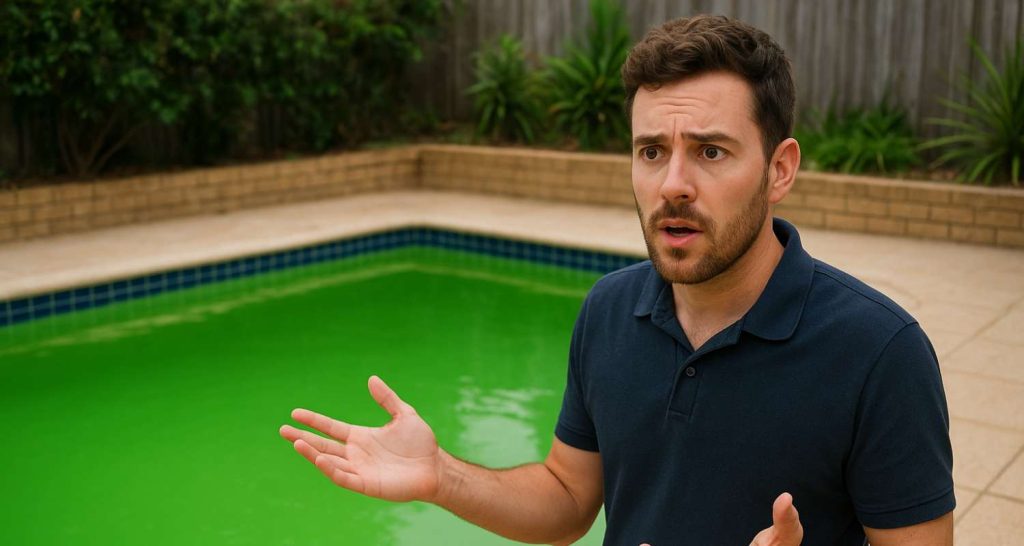
Pool Is Green but Chlorine Is High Problem Fixes in Australia
A clear backyard pool is a symbol of summer ease for many Australian households. However, many pool owners experience the confusing situation where the pool is green but chlorine is high. This issue can happen in any region, from Queensland’s humid climate to the cooler zones of Victoria, and often leaves homeowners unsure why the water still turns green despite sufficient sanitiser.
Understanding the science behind this situation is the first step towards restoring healthy, clear water. This article also explains the role of dry acids, why they are used in Australia, and how they differ from liquid solutions. Every section is structured for clarity, simplicity, and practical understanding.
Key Takeaways
- Chemical imbalance is a primary cause of green water even when sanitiser levels appear adequate.
- High pH can weaken chlorine power and allow algae to spread easily.
- Stabiliser build-up commonly interferes with chlorine effectiveness.
- Metals in water may oxidise and create green discolouration.
- Dry acids offer safe and controlled pH reduction for residential pools.
- Filtration and circulation must remain strong during water cleaning.
- Dilution is essential when stabiliser rises above recommended levels.
- Cloudy water often appears after shock treatments due to dead algae.
- Consistent testing helps prevent most water clarity issues.
- Seasonal conditions in Australia create extra challenges for maintaining pool balance.
Main Reasons a Pool Turns Green Despite High Chlorine
High Stabiliser Levels Affect Chlorine Strength
Many Australian pools rely on stabilised chlorine sources. Over time, stabiliser accumulates and reduces the effectiveness of chlorine. When stabiliser climbs too high, chlorine loses strength even when test kits show a high reading. This imbalance creates conditions where algae can thrive regardless of chlorine levels.
pH Levels Reduce Chlorine Effectiveness
When pH rises above the ideal range, chlorine becomes less effective. High pH levels can appear after storms, high swimmer load, or regular use of certain chemicals. The chlorine cannot work efficiently, algae may start growing, and the water gradually turns green even though the chlorine level of swimming pool water seems adequate.
Metals Cause Water Discolouration
Some Australian regions supply water with traces of metals such as copper or iron. When chlorine oxidises these metals, the water can turn green. This process resembles algae growth but is purely chemical. The problem grows worse if acidic rain, bore water, or corroding equipment adds more metals into the pool.
Understanding How Chemical Balance Affects Pool Health
Role of Total Alkalinity
Total alkalinity stabilises pH. When alkalinity rises, pH tends to drift upward, causing chlorine to weaken. When alkalinity drops too low, pH swings rapidly, creating unstable sanitiser levels. Maintaining balanced alkalinity is essential for preventing cloudy pool water and green water issues.
Influence of Temperature
Warm weather accelerates algae growth. Australian summers often see water temperatures above 28°C, creating a perfect environment for algae. Even high chlorine may struggle if heat, sunlight, and stabiliser levels all work against it.
Effects of Debris and Organic Load
Leaves, pollen, insects, and soil add nutrients for algae. After storms or windy periods, organic load increases significantly. The chlorine starts working harder to break down this material, leaving less sanitising power to prevent algae growth.
What Dry Acids Are and Why They Matter
Meaning of Dry Acids
Dry acids refer to powdered chemical products that reduce pH and total alkalinity in swimming pools. They are widely used in Australia because they are easier to store, easy to handle, and release fewer fumes compared to liquid options.
Types of Dry Acids
The most common dry acid used by Australian homeowners is sodium bisulphate. It comes in granular form and dissolves steadily when broadcast across the water surface. It allows precise control of pH reduction, especially useful for residential pools.
Difference Between Dry and Liquid Acids
Dry acids are milder, easier to transport, and simpler to measure. Liquid acids such as hydrochloric acid work instantly but require protective gear, careful handling, and precise dosing. Dry acids reduce risk while still offering strong pH control.
Reasons Dry Acids Are Used in Australia
Dry acids work well in Australia’s hot climate where pH tends to rise due to high evaporation, aeration, and sunlight. They provide slow, controlled reduction without causing sudden chemical shifts. This makes pool upkeep safer and more predictable for homeowners.
How to Fix a Green Pool When Chlorine Levels Are High?
Step 1: Test Full Water Chemistry
A complete test includes pH, alkalinity, stabiliser, free chlorine, total chlorine, and metals. This helps you pinpoint why the pool is green but chlorine is high. Without full readings, adding chemicals becomes guesswork.
Step 2: Adjust pH Using Dry Acid
If pH is above the ideal range, add dry acid carefully and retest. The correct pH helps chlorine work effectively again. Lowering pH is especially important before adding liquid chlorine for a shock treatment.
Step 3: Improve Filtration and Circulation
Run the pool pump for long hours until the water starts clearing. Clean or backwash the filter, remove debris from baskets, and ensure the return jets circulate water across the entire pool. Poor circulation leaves pockets where algae grows freely.
Step 4: Remove Excess Stabiliser
If stabiliser levels climb above recommended ranges, dilute the pool by draining a portion of the water and refilling it with fresh water. This step restores chlorine efficiency and prevents recurring green water.
Step 5: Shock With a Strong Sanitiser
Once pH is corrected, shock the pool with a heavy dose of liquid chlorine. This step removes algae growth, oxidises organic material, and restores sanitiser control across the entire pool. Continue running the pump to help distribute chemicals.
Understanding Cloudiness Versus Green Water
Cloudiness Caused by Dead Algae
After shocking, many pools turn cloudy. This means the algae has been killed but not yet filtered out. Good filtration clears the cloudiness within days.
Cloudiness Caused by Calcium
Calcium hardness is common in Australian water. When calcium rises too high, it can cause a milky or cloudy appearance. This condition differs from algae-based cloudiness, but both require filtration and chemical adjustment.
Cloudiness Caused by Poor Circulation
Weak circulation spreads chemicals unevenly. Even with enough chlorine, parts of the pool may stay dull or cloudy. Running the pump longer and cleaning filters solves most of these issues.
How Liquid Chlorine and Chlorine Tablets Work Together?
Benefits of Tablets
Chlorine tablets provide slow, consistent sanitiser release. They are excellent for maintaining basic chlorine levels during regular use.
Benefits of Liquid Sanitiser
Liquid chlorine provides an instant sanitising boost. It is ideal for shocking, fast clean-ups, and handling unexpected algae.
Balancing Both Products
Using both forms strategically keeps your water balanced. Tablets maintain sanitiser, while liquid chlorine steps in during times of algae growth or heavy organic load. This combination improves reliability across all seasons.
Importance of Water Chemistry for Australian Pools
Seasonal Shifts Affect Chemical Balance
Hot weather speeds evaporation and raises pH. Heavy rain dilutes chemicals and introduces contaminants. These seasonal changes require frequent testing.
Australian Water Sources Influence Balance
Many water supplies in Australia contain minerals such as calcium and metals. These minerals alter balance and contribute to green water or cloudiness after chlorine addition.
Regular Maintenance Prevents Big Problems
Testing weekly, cleaning filters, managing pH, adjusting alkalinity and ensuring strong circulation significantly reduces the risk of algae or cloudy water.
FAQs
Why Is My Pool Chlorine High but Still Green?
A green pool with high chlorine often means the sanitiser cannot work properly. High pH, high stabiliser, metal presence or poor circulation reduce chlorine strength. Algae or oxidised metals then cause the green colour.
What Is the Fastest Way to Clear Up a Green Pool?
Correct the pH, stabiliser and alkalinity first. Run the pump for extended hours and shock the water with a strong sanitiser. Once filtration improves, the water restores clarity quickly.
How Do You Fix High Chlorine Levels in a Pool?
Stop adding chlorine and allow natural sunlight to lower levels. Increase circulation and let the pump run until the readings drop. Dilution works when chemical build-up causes persistent high levels.
Is Green Pool Water Safe for Swimming?
Green pool water is generally unsafe because algae or metals may irritate skin and eyes. The water may also hide hazards on the pool floor and indicates poor sanitiser performance.
How Long Does It Take for a Green Pool to Clear Up?
Most pools clear within a few days after pH correction, filtration improvement and shock treatment. The exact time depends on the severity of algae and the overall health of the filtration system.
Conclusion
Australian swimming pools require steady care, consistent testing and a clear understanding of chemical balance to remain healthy throughout the year. When the pool turns green even though chlorine readings appear high, the issue usually relates to pH, stabiliser levels, circulation or the presence of metals. Once the correct steps are taken, the water recovers quickly and remains safer for regular use. Dry acids, liquid sanitiser and balanced maintenance support long-term clarity for Australian households, and they also reduce the chance of recurring algae events during warm seasons. With the right approach, every homeowner can maintain bright, clean and inviting water throughout summer and beyond.