
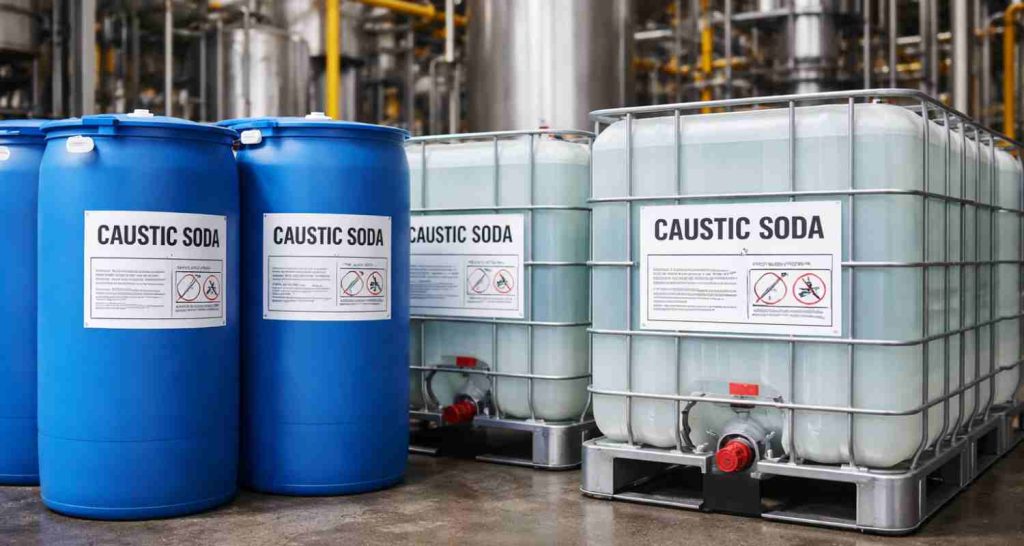
Caustic Soda Uses in Industry: The Complete Australian Guide
Australian industries depend on several strong chemicals to maintain efficient production and treatment processes. Understanding caustic soda uses helps businesses operate safely while maintaining productivity across manufacturing, water treatment, mining, and chemical processing.
Across Australia, this powerful alkaline compound supports industries that contribute significantly to the national economy. From pulp and paper production to wastewater treatment plants, sodium hydroxide plays a critical role in maintaining process stability and product quality.
Key Takeaways
- Sodium hydroxide plays a central role in several major industries.
- Industrial cleaning processes rely heavily on strong alkaline chemistry.
- Water treatment facilities use alkaline solutions to control water chemistry.
- Mining and aluminium refining require precise pH control for extraction processes.
- Pulp and paper production depends on alkaline reactions to process wood fibres.
- Chemical manufacturing uses strong bases in many synthesis reactions.
- Textile processing relies on alkaline environments during dyeing and finishing.
- Automated dosing systems improve operational safety and consistency.
- Proper storage and handling procedures protect workers and infrastructure.
- Environmental regulations guide responsible industrial chemical management.
Understanding the Chemical
What is Caustic Soda?
Caustic soda, also known as sodium hydroxide, is a highly alkaline chemical widely used in industrial operations. It appears as white flakes, pellets, or concentrated liquid solutions. The compound dissolves easily in water and releases heat during mixing. This reaction creates a strong alkaline solution capable of breaking down organic materials, oils, and fats.
Industries rely on this chemical because it reacts quickly with acids and other compounds. The chemical properties allow it to support neutralisation, cleaning, and chemical production processes. In addition, sodium hydroxide remains stable when stored under correct conditions, making it suitable for large-scale industrial supply chains.
Chemical Characteristics
Sodium hydroxide is highly reactive with water and organic compounds. Because of this property, it becomes extremely effective in industrial cleaning and chemical processing. It also absorbs moisture and carbon dioxide from the air. Therefore, industries must store it in sealed containers to maintain chemical purity.
Another important characteristic involves its strong alkalinity. High pH levels allow the compound to neutralise acidic substances quickly. This feature makes it essential in wastewater treatment and mining processes.
Production Methods
Most sodium hydroxide production occurs through the chlor-alkali process. This method involves the electrolysis of brine, which is a concentrated salt solution. The process generates chlorine, hydrogen, and sodium hydroxide simultaneously.
Australian chemical plants operate this process to support local industrial demand. According to the Australian Bureau of Statistics, the chemical manufacturing sector contributes billions of dollars to the national economy. Many industries depend on a reliable supply of strong alkalis for daily operations.
Forms Available for Industrial Applications
Solid Forms
Solid sodium hydroxide commonly appears as flakes, pearls, or pellets. These forms dissolve rapidly in water and create highly alkaline solutions. Industrial plants often purchase these forms when they prefer to prepare solutions on site.
Preparing solutions internally allows engineers to control the exact concentrations required for specific processes. However, handling solid forms requires careful procedures. Dust exposure and rapid heat release during mixing require appropriate safety measures.
Liquid Formulations
Many facilities prefer caustic soda liquid because it simplifies storage and handling. Liquid solutions arrive in bulk tanker deliveries or intermediate containers. Workers can pump the solution directly into storage tanks and dosing systems.
Liquid solutions also improve operational efficiency. Automated dosing systems deliver precise chemical quantities into pipelines, reactors, or treatment tanks. As a result, production processes remain stable and predictable.
Industrial Concentrations
Industrial solutions typically range from 30 to 50 per cent concentration. Higher concentrations provide the strong alkalinity required for heavy industrial tasks. However, many applications require dilution before use.
Process engineers calculate dilution ratios to maintain safe operating conditions. Controlled concentrations improve reaction efficiency while reducing risks associated with highly concentrated chemicals.
Manufacturing and Supply in Australia
National Production Facilities
Australia maintains several chemical manufacturing plants capable of producing sodium hydroxide through the chlor-alkali process. These facilities supply a wide range of industries, including mining, water utilities, and pulp mills.
Production facilities often operate near coastal areas. Access to salt and water simplifies the electrolysis process. This strategic location also supports efficient transport and export logistics.
Distribution Across Industries
Once produced, suppliers distribute the chemical across the country using specialised tankers and containers. Major mining regions in Western Australia and Queensland receive large volumes of industrial chemicals.
Transport networks ensure reliable delivery even to remote mining operations. Continuous supply remains essential because many industrial processes operate around the clock.
Economic Importance
Chemical manufacturing forms an important part of the Australian industrial economy. Sodium hydroxide supports several key sectors such as aluminium refining, wastewater treatment, and chemical production.
Reliable supply ensures these industries operate without disruption. Consequently, the compound plays an indirect role in supporting employment and economic growth across multiple regions.
Industrial Cleaning and Degreasing
Heavy Equipment Cleaning
Manufacturing equipment often accumulates grease, oils, and organic residues. Strong alkaline cleaners break down these substances efficiently. Maintenance teams, therefore, rely on sodium hydroxide solutions to restore equipment surfaces.
Thorough cleaning improves machine performance and reduces mechanical wear. In addition, clean equipment operates more efficiently and consumes less energy during production.
Industrial Surface Preparation
Metal components frequently require cleaning before painting or coating. Removing oils and residues ensures coatings adhere properly to the surface.
Alkaline cleaning solutions dissolve contaminants quickly. Consequently, manufacturers achieve stronger coatings and longer product life. This preparation step remains essential in automotive, construction, and heavy engineering industries.
Food Processing Equipment
Food processing plants maintain strict hygiene standards to prevent contamination. Alkaline cleaning systems remove protein residues, fats, and organic deposits from production lines.
Automated cleaning systems circulate cleaning solutions through pipes and tanks. These systems reduce manual labour while maintaining the high sanitation standards required in food manufacturing.
Water and Wastewater Treatment
pH Control in Water Treatment
Water treatment facilities constantly monitor pH levels to maintain water quality. Acidic water can damage infrastructure and reduce treatment efficiency. Alkaline chemicals help balance these conditions.
Treatment plants add alkaline solutions to neutralise acidic streams. Maintaining correct pH improves chemical reactions used for purification and disinfection.
The Australian Government emphasises the importance of balanced water chemistry in its national water quality guidelines:
Removal of Heavy Metals
Industrial wastewater often contains dissolved metals such as iron, copper, and zinc. Raising the pH causes these metals to form solid particles. Once precipitated, filtration systems can remove them effectively.
This treatment process protects rivers, lakes, and coastal waters from pollution. Proper chemical treatment ensures wastewater meets environmental discharge standards.
Sludge Stabilisation
Wastewater treatment produces sludge containing organic materials and microorganisms. Alkaline treatment stabilises sludge and reduces harmful bacteria.
Stabilised sludge becomes easier to handle and dispose of safely. In some cases, treated sludge may even support agricultural applications after further processing.
Pulp and Paper Manufacturing
Wood Fibre Processing
Pulp mills rely heavily on strong alkalis to break down wood fibres. Sodium hydroxide dissolves lignin, which binds cellulose fibres together in wood.
Once lignin separates from cellulose, pulp fibres become suitable for paper production. Controlled chemical reactions ensure fibres maintain strength and flexibility during processing.
Paper Recycling
Recycling facilities also depend on alkaline solutions to remove printing inks and adhesives from recovered paper. The process involves soaking and treating paper fibres in chemical solutions.
This treatment separates unwanted contaminants from the fibres. As a result, recycled pulp can produce high-quality paper products.
Bleaching Support Stages
Paper manufacturers use multiple chemical stages to improve brightness and quality. Alkaline conditions support bleaching reactions that remove remaining impurities.
Controlled chemical environments ensure paper remains strong while achieving the desired colour and texture.
Aluminium and Mining Industries
Aluminium Refining
Aluminium production relies heavily on alkaline chemistry. The Bayer process uses sodium hydroxide to dissolve aluminium compounds from bauxite ore.
This step separates aluminium-bearing minerals from impurities. Later stages convert the purified material into alumina and eventually aluminium metal.
Mineral Processing Operations
Mining operations often process ores as slurry mixtures. Controlling pH levels improves separation efficiency during flotation and chemical extraction.
Engineers adjust alkaline levels to create ideal chemical conditions. This control increases recovery rates of valuable minerals.
Maintenance and Cleaning
Mining environments expose machinery to heavy contamination. Grease, mineral deposits, and organic residues accumulate quickly.
Alkaline cleaning solutions help remove these deposits efficiently. Proper maintenance reduces downtime and improves operational reliability.
Chemical Manufacturing
Industrial Chemical Production
Chemical manufacturers frequently require strong bases in synthesis reactions. Sodium hydroxide acts as a catalyst or reactant in numerous processes.
The compound helps produce solvents, plastics, dyes, and many other industrial materials. Chemical plants rely on a consistent supply to maintain production schedules.
Soap and Detergent Manufacturing
Soap production uses a process called saponification. During this reaction, fats react with strong alkalis to form soap and glycerine.
The chemical reaction remains one of the oldest industrial uses of sodium hydroxide. Modern detergent manufacturing continues to rely on similar alkaline reactions.
Pharmaceutical and Laboratory Uses
Pharmaceutical companies use alkaline chemicals to adjust pH during drug manufacturing. Maintaining precise chemical conditions ensures product stability and safety.
Laboratories also use the compound in analytical procedures and chemical preparation.
Textile and Fabric Processing
Fibre Strengthening Processes
Textile manufacturers treat cotton fibres with alkaline solutions to improve strength and dye absorption. This process increases fibre durability and improves fabric performance.
Stronger fibres produce textiles that resist wear and maintain colour during repeated washing.
Dyeing Operations
Many dyes require alkaline environments to bond with textile fibres. Maintaining correct pH levels ensures uniform colour distribution across the fabric.
Careful chemical control allows textile plants to produce consistent and vibrant fabrics.
Fabric Finishing
Before finishing treatments, fabrics must be free from natural waxes and impurities. Alkaline solutions remove these substances effectively.
Clean fibres allow finishing chemicals to perform better. The final fabric, therefore, achieves improved softness and durability.
Dosing and Handling in Industrial Facilities
Safe Storage Systems
Industrial storage systems must withstand strong alkalis without corrosion. Tanks made from specialised plastics or stainless steel provide reliable containment.
Proper storage conditions also protect workers and prevent environmental contamination. Facilities design storage areas with ventilation and spill containment systems.
Automated Dosing Technology
Modern industrial plants use automated dosing systems to control chemical flow precisely. Pumps and sensors measure exact quantities entering reactors or treatment tanks.
Automated control improves safety and reduces human exposure. It also ensures consistent chemical reactions across large-scale processes.
Benefits of automated systems include:
- Accurate chemical dosing for stable reactions
- Reduced manual handling risks
- Improved efficiency in continuous processes
- Lower risk of chemical spills
Worker Safety Measures
Handling strong alkalis requires strict safety procedures. Workers must wear protective equipment, including gloves, goggles, and chemical-resistant clothing.
Training programs teach employees how to manage chemical exposure risks. Emergency procedures also prepare teams for spills or accidental contact.
Environmental and Regulatory Considerations
Australian Chemical Regulations
Australia regulates industrial chemicals through national safety frameworks. Businesses must follow guidelines related to storage, transport, and disposal.
These regulations protect workers, communities, and the environment. Companies must maintain documentation and risk assessments for hazardous chemicals.
Waste Management Responsibilities
Industries must manage chemical waste carefully. Improper disposal can damage ecosystems and water systems.
Environmental monitoring programs ensure treatment systems operate correctly. Companies must demonstrate compliance with environmental standards.
Sustainable Chemical Practices
Many Australian industries now focus on reducing chemical waste. Process optimisation helps minimise consumption and improve recycling efficiency.
Sustainable chemical management reduces environmental impact while improving operational efficiency.
FAQs
What industries rely most heavily on sodium hydroxide?
Many sectors depend on this chemical. Major users include mining, pulp and paper production, water treatment plants, chemical manufacturers, and textile processors. Each industry uses alkaline chemistry to support production, cleaning, or chemical reactions.
Why is alkaline chemistry important in wastewater treatment?
Alkaline solutions help adjust water pH and remove heavy metals from wastewater. When pH rises, metals form solid particles that filtration systems can remove. This process protects natural waterways and ensures treated water meets environmental standards.
How do industries store strong alkalis safely?
Facilities store these chemicals in corrosion-resistant tanks made from specialised plastics or stainless steel. Storage areas include ventilation systems, spill containment, and monitoring equipment. These measures protect workers and prevent environmental contamination.
Why do manufacturers prefer liquid chemical supply?
Liquid formulations simplify handling and dosing. Pumps and automated systems deliver precise quantities directly into industrial processes. This approach reduces dust exposure and improves efficiency in large-scale operations.
What safety precautions are necessary when handling strong alkalis?
Workers must wear protective clothing, gloves, goggles, and face shields. Facilities also provide safety training and emergency response procedures. Proper storage, ventilation, and spill containment further reduce risks.
Conclusion
Strong alkaline chemicals remain essential for modern industrial operations across Australia. From mining and water treatment to pulp production and chemical manufacturing, these compounds support processes that keep industries running efficiently.
Understanding caustic soda uses allows businesses to manage chemical processes responsibly while maintaining productivity. Proper handling, automated dosing, and strict safety procedures ensure industries benefit from this versatile compound while protecting workers and the environment.
As Australian industries continue to grow and modernise, reliable chemical supply and responsible management practices will remain essential. With careful regulation and improved technology, sodium hydroxide will continue supporting critical industrial processes across the country.